Introduction
Cortisol is the body’s primary stress hormone, essential for survival but harmful when chronically elevated. Persistent stress, poor sleep, and modern lifestyle pressures can keep cortisol levels high, contributing to anxiety, fatigue, belly fat storage, and disrupted metabolism.
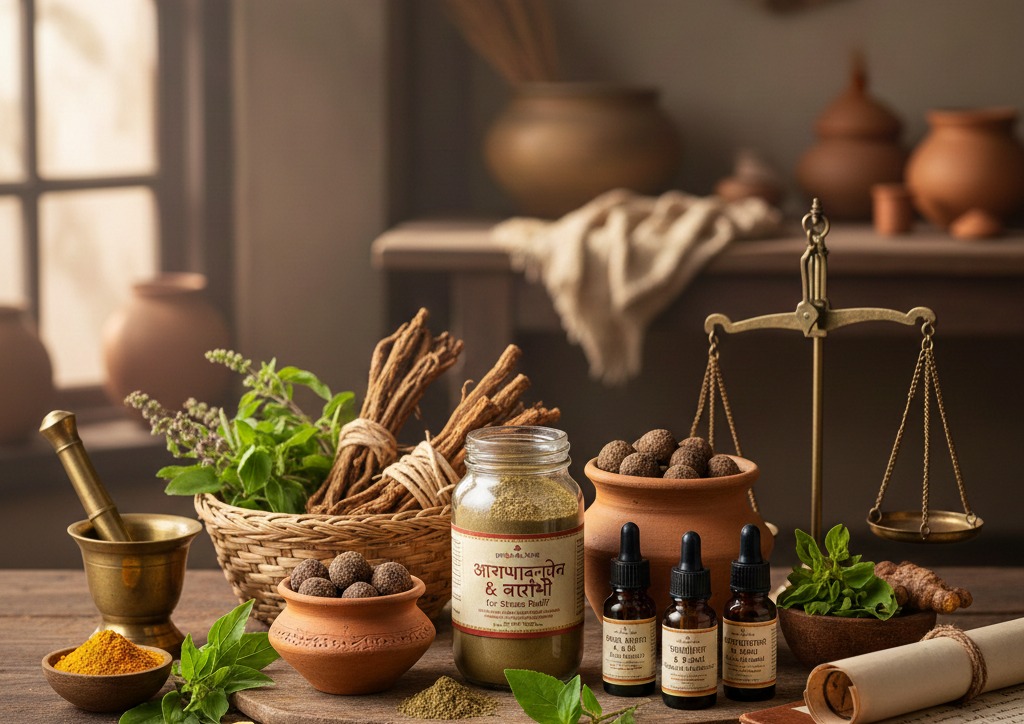
Alongside lifestyle changes, certain natural supplements that lower cortisol naturally have been studied for their potential to support healthy cortisol balance. Understanding which supplements that lower cortisol naturally are backed by research can help individuals make informed decisions for stress management and hormonal health.
What Causes High Cortisol Levels?
Chronic psychological stress, sleep deprivation, blood sugar instability, and excessive caffeine intake can all contribute to sustained cortisol elevation. When stress becomes constant, the adrenal system remains overactive, leading to hormonal imbalances and metabolic strain.
Understanding the root causes of elevated cortisol is essential before exploring supplements that lower cortisol naturally.
7 Science-Backed Supplements That Lower Cortisol Naturally
1. Ashwagandha (Withania somnifera)
Ashwagandha is an adaptogenic herb widely studied for stress reduction. Clinical research suggests it may help lower cortisol levels, reduce anxiety, and improve resilience to stress by supporting the hypothalamic–pituitary–adrenal (HPA) axis.
Key benefits: Reduces stress, supports adrenal health, improves sleep quality.
2. Magnesium
Magnesium plays a key role in nervous system regulation and relaxation. Low magnesium levels are linked with higher stress responses. Supplementation may help calm the nervous system and support balanced cortisol production.
Key benefits: Promotes relaxation, supports muscle function, improves sleep.
3. Omega-3 Fatty Acids
Omega-3s found in fatty fish are associated with reduced inflammation and improved stress response. Some studies indicate omega-3 intake may blunt cortisol spikes during stressful situations.
Key benefits: Reduces inflammation, supports brain health, improves mood.
4. L-Theanine
L-theanine, an amino acid found in green tea, promotes relaxation without sedation. Research suggests it can reduce physiological stress markers and support a calmer mental state.
Key benefits: Promotes calm focus, reduces anxiety, supports cognitive function.
5. Rhodiola Rosea
Rhodiola is another adaptogenic herb studied for reducing fatigue and stress symptoms. It may help regulate cortisol release during prolonged mental or physical stress.
Key benefits: Reduces fatigue, improves mental performance, supports stress resilience.
6. Phosphatidylserine
This phospholipid is involved in cell membrane function and has been studied for its potential to reduce exercise-induced cortisol elevations and improve stress recovery.
Key benefits: Supports exercise recovery, improves cognitive function, reduces cortisol response.
7. Dark Chocolate (High Cocoa Content)
Dark chocolate rich in flavonoids may help reduce stress hormones and improve mood when consumed in moderation, supporting overall stress resilience.
Key benefits: Rich in antioxidants, improves mood, supports cardiovascular health.
Conclusion
Supplements that lower cortisol naturally can complement healthy lifestyle habits such as quality sleep, balanced nutrition, and stress management practices. Scientific evidence supports certain adaptogens, minerals, and nutrients in helping regulate stress responses.
However, supplements should be used thoughtfully and ideally under professional guidance for safe, effective cortisol balance. Before starting any new supplement regimen, consult with a healthcare provider to determine the best approach for your individual needs.
Remember: While these supplements that lower cortisol naturally show promise in research, they work best when combined with stress-reduction techniques, regular exercise, and adequate sleep.
