Introduction
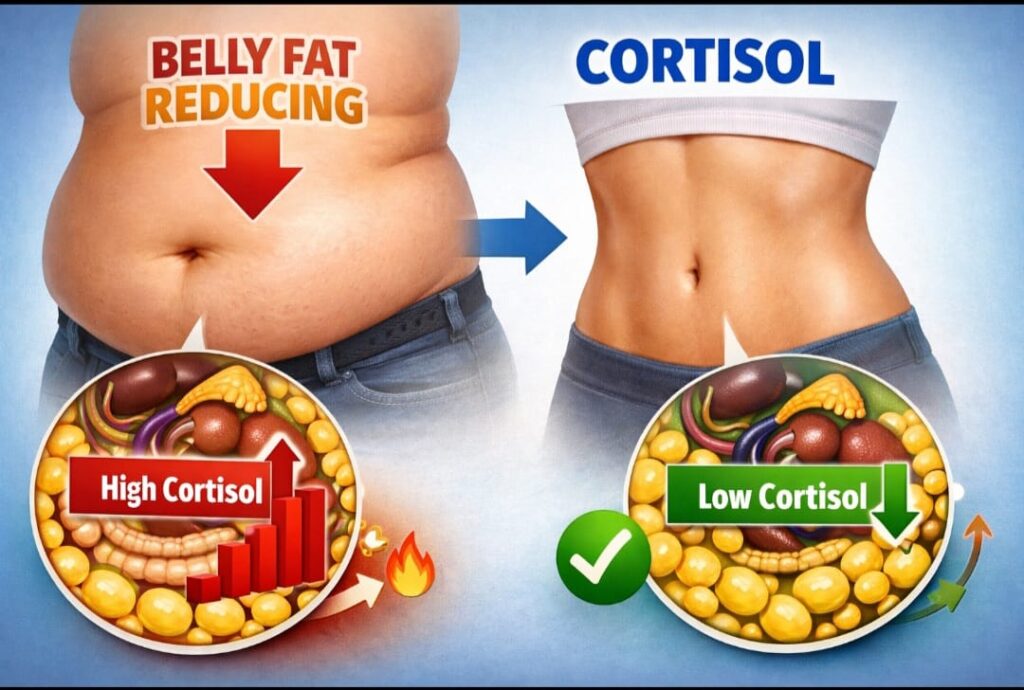
Cortisol belly refers to stubborn abdominal fat linked to chronically elevated stress hormone levels. Cortisol, the body’s primary stress hormone, influences metabolism, fat storage, blood sugar regulation, and energy balance. Modern lifestyles filled with mental pressure, sleep disruption, and processed diets often lead to persistent cortisol elevation, which encourages fat storage, particularly around the midsection.
Research suggests that prolonged stress may shift fat distribution toward visceral fat — the deeper abdominal fat associated with metabolic issues, cardiovascular disease, and type 2 diabetes. Unlike subcutaneous fat (the pinchable fat under the skin), visceral fat surrounds vital organs and is metabolically active, producing inflammatory compounds that affect overall health.
Understanding how to reduce cortisol belly fat naturally is key for long-term hormonal balance and sustainable weight management. This comprehensive guide explores seven evidence-based strategies that address the root hormonal causes of stress-related abdominal weight gain.
What Is Cortisol Belly Fat?
Cortisol belly fat describes abdominal weight gain driven by stress-related hormonal imbalances. When stress becomes chronic, the adrenal glands continuously release cortisol. This hormonal cascade triggers multiple physiological changes that promote fat storage in the abdominal region.
How Cortisol Affects Fat Storage
Elevated cortisol creates a perfect storm for belly fat accumulation through several mechanisms:
- Increases appetite and cravings: Cortisol stimulates the release of neuropeptide Y, a brain chemical that triggers cravings for high-calorie, sugary foods
- Promotes insulin resistance: Chronic cortisol elevation interferes with insulin signaling, making cells less responsive to glucose uptake
- Breaks down muscle tissue: Cortisol is catabolic, meaning it breaks down protein (muscle) to provide quick glucose for energy
- Signals fat storage: Elevated cortisol activates lipoprotein lipase, an enzyme that deposits fat into abdominal cells
- Increases visceral fat specifically: Abdominal fat cells have more cortisol receptors than other fat cells, making them particularly sensitive to stress hormones
- Reduces metabolic rate: Chronic stress can slow metabolism as the body conserves energy
Unlike regular weight gain that responds to calorie reduction and exercise, cortisol-related belly fat is often resistant to standard dieting unless stress regulation is addressed. This explains why some individuals maintain strict diets and exercise regularly yet still struggle with stubborn abdominal fat—the underlying hormonal imbalance sabotages their efforts.
Why Does Cortisol Cause Belly Fat?
Several modern lifestyle factors contribute to chronic cortisol elevation and the accumulation of stress-related belly fat:
Primary Cortisol Triggers Leading to Belly Fat
- Chronic psychological stress: Work pressure, relationship conflicts, financial worries, and ongoing emotional strain
- Sleep deprivation and late-night schedules: Irregular sleep patterns disrupt cortisol’s natural rhythm, keeping levels elevated
- High caffeine intake: Excessive coffee or energy drinks stimulate cortisol release, especially on an empty stomach
- Blood sugar spikes from refined foods: Processed carbohydrates and sugars cause insulin and cortisol fluctuations
- Sedentary lifestyle and low muscle activity: Lack of movement reduces insulin sensitivity and metabolic flexibility
- Excess screen exposure and mental overstimulation: Constant digital connectivity maintains stress activation
- Over-exercising without recovery: Excessive high-intensity training without rest increases cortisol chronically
- Restrictive dieting or meal skipping: Severe calorie restriction signals famine, elevating cortisol as a survival response
- Chronic inflammation: Poor diet, food sensitivities, or underlying health conditions keep stress hormones elevated
These factors keep the body in a prolonged stress state, encouraging fat storage in the abdominal region and making belly fat harder to lose. The accumulation becomes self-perpetuating: belly fat produces inflammatory compounds that further elevate cortisol, creating a vicious cycle.
7 Science-Backed Ways to Reduce Cortisol Belly Fat Naturally
1. Prioritize Deep, Consistent Sleep
Poor sleep is strongly associated with higher cortisol and increased abdominal fat storage. Sleep deprivation disrupts the body’s natural cortisol rhythm, causing levels to remain elevated throughout the day and into the evening when they should be declining.
The Sleep-Cortisol-Belly Fat Connection
Research demonstrates that individuals who sleep less than 6 hours per night have significantly higher cortisol levels and greater abdominal circumference compared to those who get 7-8 hours. Poor sleep also:
- Increases ghrelin (hunger hormone) and decreases leptin (satiety hormone)
- Reduces insulin sensitivity, promoting fat storage
- Impairs decision-making, leading to poor food choices
- Decreases growth hormone production needed for fat burning
- Elevates evening cortisol, preventing proper recovery
Evidence-Based Sleep Strategies for Cortisol Belly Fat Reduction
- Maintain consistent sleep-wake times: Go to bed and wake up within 30 minutes of the same time daily, including weekends
- Aim for 7-8 hours nightly: This is the optimal range for cortisol regulation and metabolic health
- Reduce blue light exposure: Limit screens 60-90 minutes before bedtime or use blue light blocking glasses
- Create optimal sleep environment: Cool temperature (18-20°C), complete darkness, minimal noise
- Avoid late-night eating: Finish meals 2-3 hours before bed to prevent insulin spikes that interfere with sleep
- Limit caffeine after 2 PM: Caffeine has a 5-6 hour half-life and can disrupt sleep quality
- Consider magnesium supplementation: Supports sleep quality and helps regulate cortisol
Prioritizing sleep is the foundation of cortisol belly fat reduction—without quality rest, other interventions have limited effectiveness.
2. Practice Slow Breathing and Stress Relief Techniques
Breathing techniques such as diaphragmatic breathing and extended exhalation activate the parasympathetic nervous system. This helps lower cortisol production and reduces stress-driven fat accumulation by signaling safety to the body.
How Breathing Reduces Cortisol Belly Fat
Controlled breathing practices directly stimulate the vagus nerve, which runs from the brain through the diaphragm. This activation:
- Reduces cortisol secretion by 20-25% within 10-15 minutes
- Lowers heart rate and blood pressure
- Improves insulin sensitivity
- Reduces stress-related food cravings
- Promotes emotional regulation and reduces impulsive eating
Most Effective Breathing Practices
- Diaphragmatic (belly) breathing: Deep breaths that fully engage the diaphragm, 5-10 minutes daily
- 4-7-8 breathing: Inhale for 4, hold for 7, exhale for 8 counts (natural tranquilizer)
- Box breathing: Equal counts for inhale, hold, exhale, hold (4-4-4-4 pattern)
- Extended exhalation: Making exhales longer than inhales triggers relaxation response
- Coherent breathing: 5-6 breaths per minute for optimal heart rate variability
Practice these techniques during stressful moments, before meals to prevent stress eating, and in the evening to support cortisol decline before sleep.
3. Engage in Moderate Exercise
Walking, yoga, strength training, and light cardio improve insulin sensitivity and regulate stress hormones without overstimulating the body. However, the type, intensity, and frequency of exercise matter significantly for cortisol belly fat reduction.
The Exercise-Cortisol Paradox
While exercise is essential for fat loss, overtraining can actually increase cortisol and worsen belly fat. The key is finding the optimal balance:
- Moderate exercise lowers cortisol and improves body composition
- Excessive high-intensity training elevates cortisol chronically, especially without adequate recovery
- Strength training builds muscle which improves insulin sensitivity and metabolic rate
- Walking and gentle movement reduce cortisol without triggering stress responses
Optimal Exercise Protocol for Cortisol Balance
- Strength training 2-3 times weekly: Builds metabolically active muscle that helps regulate blood sugar and cortisol
- Daily walking 30-45 minutes: Low-impact movement that reduces cortisol without overstimulating the body
- Yoga or stretching 2-3 times weekly: Combines movement with stress reduction and breathwork
- Limit HIIT to 1-2 sessions weekly: High-intensity intervals only if cortisol is already well-regulated
- Prioritize rest days: Recovery is essential for cortisol regulation and muscle building
- Morning or early afternoon exercise: Aligns with natural cortisol patterns better than evening workouts
If you’re currently experiencing high stress or significant belly fat, focus on gentle-moderate exercise until cortisol levels stabilize, then gradually increase intensity.
4. Stabilize Blood Sugar with Balanced Meals
Meals rich in protein, fiber, and healthy fats prevent glucose spikes that can elevate cortisol. Whole foods support metabolic stability and reduce belly fat storage signals by maintaining steady blood sugar and insulin levels.
The Blood Sugar-Cortisol-Belly Fat Connection
Blood sugar fluctuations trigger cortisol release as the body attempts to stabilize glucose levels. Frequent spikes and crashes:
- Create a blood sugar rollercoaster that chronically elevates cortisol
- Increase cravings for sugary, high-calorie foods
- Promote insulin resistance, a key factor in belly fat storage
- Reduce satiety, leading to overeating
- Impair fat burning by keeping insulin constantly elevated
Nutrition Strategies for Cortisol Belly Fat Reduction
- Eat protein with every meal: 20-30g per meal to stabilize blood sugar and support muscle maintenance
- Include healthy fats: Avocados, nuts, seeds, olive oil, fatty fish to slow glucose absorption and increase satiety
- Choose complex carbohydrates: Whole grains, sweet potatoes, legumes instead of refined carbs
- Load up on fiber: Vegetables, fruits, whole grains help regulate blood sugar and support gut health
- Eat regular meals: Every 3-4 hours to prevent blood sugar crashes that spike cortisol
- Never skip breakfast: Morning meals help regulate cortisol’s natural daily rhythm
- Avoid processed foods: Refined sugars, artificial ingredients, and trans fats worsen insulin resistance
- Stay hydrated: Dehydration can elevate cortisol; aim for 8-10 glasses of water daily
- Consider anti-inflammatory foods: Berries, leafy greens, turmeric, ginger reduce inflammation that drives cortisol
Avoid extreme calorie restriction or skipping meals, as this signals famine to the body and actually increases cortisol and promotes belly fat storage as a survival mechanism.
5. Reduce Excess Caffeine
High caffeine intake may stimulate cortisol release, especially when consumed on an empty stomach or in excessive amounts. While moderate caffeine (1-2 cups of coffee) is generally well-tolerated, excessive consumption perpetuates elevated cortisol and interferes with belly fat reduction.
How Caffeine Affects Cortisol and Belly Fat
- Stimulates cortisol production, particularly when consumed in large amounts or on an empty stomach
- Disrupts sleep quality when consumed after 2 PM, indirectly raising cortisol
- Increases anxiety and nervous system activation in sensitive individuals
- Can worsen blood sugar dysregulation when combined with sugary drinks
- May increase stress-driven food cravings
Caffeine Management for Cortisol Balance
- Limit to 1-2 cups (200-400mg) daily: Consumed before noon to prevent sleep disruption
- Always consume with food: Never on an empty stomach to minimize cortisol spikes
- Avoid energy drinks: High caffeine plus added sugars worsen hormonal imbalance
- Consider green tea instead: Provides gentler stimulation with L-theanine to balance effects
- Take periodic breaks: Caffeine “detox” periods help reset cortisol sensitivity
- Monitor total intake: Include coffee, tea, chocolate, supplements, and medications
Individuals with stubborn belly fat often benefit significantly from reducing caffeine intake, particularly during high-stress periods when cortisol is already elevated.
6. Practice Mindfulness and Relaxation
Mindfulness meditation, journaling, and nature exposure reduce psychological stress and emotional eating patterns linked to cortisol belly fat. These practices help break the stress-cortisol-belly fat cycle by addressing the mental and emotional roots of chronic stress.
How Mindfulness Reduces Cortisol Belly Fat
Research shows that regular mindfulness practice:
- Reduces cortisol levels by up to 30% in consistent practitioners
- Decreases stress-related eating and emotional food consumption
- Improves awareness of hunger and satiety cues
- Reduces visceral abdominal fat independent of weight loss
- Lowers inflammatory markers associated with metabolic syndrome
- Improves insulin sensitivity and glucose metabolism
Evidence-Based Mindfulness Practices
- Daily meditation: 10-20 minutes of guided or silent practice focusing on breath or body awareness
- Mindful eating: Eating slowly, without distractions, focusing on taste, texture, and satiety signals
- Journaling: Processing emotions and stress through writing to reduce rumination
- Nature exposure: 20-30 minutes outdoors daily reduces cortisol and improves mood
- Gratitude practice: Focusing on positive aspects to shift stress perception
- Body scan meditation: Systematic relaxation of muscle groups to release physical tension
- Yoga nidra: Guided deep relaxation practice that significantly lowers cortisol
Consistency is more important than duration—even 5-10 minutes daily produces measurable benefits for cortisol regulation and belly fat reduction.
7. Maintain Consistent Daily Routines
Regular meal timing, exercise schedules, and sleep cycles help stabilize the body’s internal clock (circadian rhythm) and reduce stress-related hormonal fluctuations. Routine signals safety to the nervous system, preventing unnecessary cortisol elevation.
How Routine Reduces Cortisol Belly Fat
Circadian rhythm disruption is a major contributor to cortisol dysregulation and belly fat accumulation. Consistent routines:
- Align cortisol production with natural daily patterns (high morning, low evening)
- Improve sleep quality by regulating melatonin production
- Stabilize blood sugar through regular meal timing
- Reduce decision fatigue and stress throughout the day
- Support metabolic efficiency and hormone production
Key Routine Components for Cortisol Balance
- Consistent wake time: Within 30 minutes daily, including weekends
- Morning sunlight exposure: 10-15 minutes within 1 hour of waking to set circadian rhythm
- Regular meal schedule: Breakfast, lunch, dinner at similar times daily
- Structured work hours: Clear boundaries between work and personal time
- Evening wind-down routine: Calming activities 1-2 hours before bed
- Consistent bedtime: Within 30 minutes nightly to support cortisol decline
- Scheduled exercise: Same time daily when possible to optimize hormonal response
Irregular schedules—especially rotating shifts, frequent travel, or highly unpredictable days—contribute significantly to cortisol belly fat by constantly disrupting the body’s natural rhythms.
Additional Strategies for Cortisol Belly Fat Reduction
Beyond the seven primary methods, several other evidence-based approaches support cortisol regulation and belly fat loss:
- Social connection and support: Strong relationships buffer stress and lower cortisol
- Laughter and play: Joyful activities naturally reduce stress hormones
- Massage or bodywork: Physical touch reduces cortisol and promotes relaxation
- Limit alcohol consumption: Alcohol disrupts sleep and increases cortisol
- Consider adaptogenic herbs: Ashwagandha, rhodiola, and holy basil may support cortisol regulation (consult healthcare provider)
- Address underlying health issues: Thyroid disorders, PCOS, or chronic inflammation can elevate cortisol
- Reduce exposure to toxins: Certain chemicals (BPA, phthalates) may disrupt hormones
Conclusion
Reducing cortisol belly fat naturally requires managing stress alongside nutrition and exercise. Scientific evidence highlights sleep optimization, stress reduction practices, blood sugar balance, and moderate physical activity as key strategies.
The most important principle to understand is that cortisol belly fat is a hormonal issue, not simply a calorie problem. This is why traditional “eat less, exercise more” approaches often fail when cortisol is chronically elevated. By targeting the root hormonal causes—chronic stress, poor sleep, blood sugar dysregulation, and lifestyle factors—it becomes easier to flatten the abdomen and support overall metabolic health.
Remember that hormonal healing takes time. Most individuals notice improvements in belly fat within 6-12 weeks of consistent practice, with continued progress over several months. Be patient with your body as it rebalances cortisol levels and shifts from stress-driven fat storage to healthy fat burning.
Start with the strategies that feel most accessible: prioritize sleep, manage stress, eat balanced meals, and move your body gently. As these become habits, your body will naturally begin to release stubborn belly fat as cortisol levels normalize.
Ready to tackle cortisol belly fat at its hormonal root? Implement these seven science-backed strategies consistently and watch your body transform from the inside out.
